My Brand Package Just Got Smarter (and More Expensive) (Copy)
Raising your prices sounds exciting, right? It feels like a bold step forward — like you’re finally claiming your worth. But if you’re anything like me, the moment you raise your rates, another thought creeps in…
“Wait… do I need to give them more now?”
That’s exactly what happened when I increased the pricing on my brand packages. I realized that while my design work was already delivering value, my final brand guidelines — the deliverable that tied everything together — needed to reflect the elevated experience.
So I sat down to revise my template… and ended up almost doubling the length.
Here’s what happened next 👇
How I Used to Structure My Brand Guidelines
Let’s start with the old version — about 44 pages long. It included:
All logo versions (horizontal, stacked, badge, icon)
A combined section for colors and typography
A brief look at font pairings and mockups
A few basic patterns, mockups, and use-case examples
It was clean, clear, and got the job done. But as I moved into charging $5,000+ for brand packages, I wanted to elevate the overall polish and functionality.
Why I Decided to Expand It
Clients weren’t asking for more pages, but I felt like the deliverable could better match the strategic work I was already doing. I also wanted something that:
Could support product-based brands (packaging, unboxing, etc.)
Could scale to corporate-level clients with more team members
Could serve as a “brand bible” that truly empowers teams to stay on-brand
So I restructured everything — and that’s when the page count grew
How I Leveled Up the Design (and Saved Time Doing It)
I bought a brand guideline template from Creative Market that caught my eye. It was designed for a corporate client and came with a robust layout and detailed sections.
Here’s what I used from it:
Clear section headers and dividers
Tables of contents that doubled as a “deliverable map”
Layout structure for minimum sizing, logo usage, and co-branding
And here’s what I skipped:
Office application examples (like business cards or envelopes)
Some of the more formal tone and visual style
Moral of the story? Templates aren’t cheating. They’re resources. Use them wisely.
What I Added to the New Guidelines
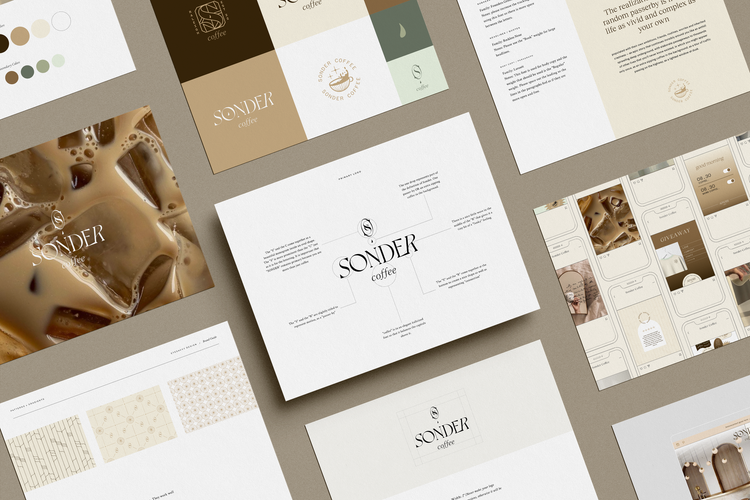
Separate sections for color and typography (instead of combining them)
In-depth font hierarchy mockups, including mobile and digital examples
New pattern and iconography systems that match the brand’s visual style
Social media grid mockups based on current Instagram formats
Packaging applications including labels, shipping tape, and insert cards
A folder structure guide showing how final assets are organized
This took the guide from useful → comprehensive.
Now I’m Rethinking My Brand Package Structure
Delivering more means charging more — or being really strategic about how you tier your offers.
Here’s what I’m thinking:
Small: A simpler guide for startups
Medium: My current Essentials package
Large: Corporate-level brand guidelines, likely custom quoted
Add-ons: For packaging, social media, or web design
This episode helped me realize: I’ve created more value, but I also created more work. And I need to price and package it accordingly.
Final Thoughts
If you’ve ever wondered whether your deliverables reflect your value, or if it’s time to update what’s included in your client experience — this episode will walk you through it all.
Watch it here on Patreon, and let me know if you have thoughts on how you structure your own packages. I’d love to hear what’s working for you.